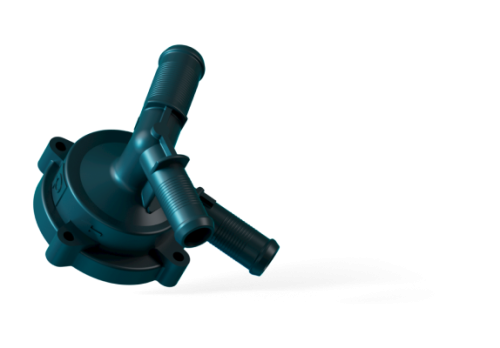
 Precision Components made of High-performance Plastic
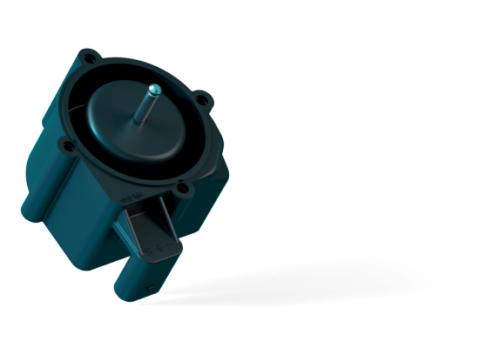 Innovative Hybrid Parts
Over the decades, we have demonstrated that we are capable of manufacturing highly complex PPS components at the limits of what is technically possible. Both in small-series production and in high-volume manufacturing meeting extremely tight tolerances and proving outstanding process capability.
Through our precision components made of high-performance plastics, we support manufacturers in the mobility, defense, and industrial sectors in their efforts toward lightweight design and emission reduction. The replacement of metals such as aluminum die casting, zinc die casting, or brass casting with alternative engineering and sustainable high-performance thermoplastics contributes to weight reduction, which in turn leads to increased efficiency.
High-performance plastics such as PPS are, compared to conventional engineering plastics, even more reliable and can withstand large temperature fluctuations, extreme pressure, and continuous exposure to aggressive chemicals such as fuels to the highest degree.
Material Category at the Top of the Plastic Pyramid
High-Performance Plastics
Key properties of high-performance plastics:
- Excellent electrical insulation and therefore non-conductive, with inherent flame retardancy
- Very high heat deflection temperature
- Weight reduction and functional integration through metal substitution
- Chemical resistance against continuous exposure to a wide range of chemicals
- No corrosion
- Highest strength and stiffness combined with very low creep tendency
- Hydrolysis resistance, even in hot water and water/glycol applications
- Low ion migration

Our Expertise – Your Added Value
Key advantages of using plastics for high-precision components include:
- Maximum durability of PPS as a long-lasting and reliable material
- Significantly higher tool life compared to processes such as die casting, reaching seven-digit production cycles
- Cost savings and efficiency gains through near-net-shape components and a high degree of automation (e.g. insert molding of threads)
- Elimination of surface treatments and mechanical post-processing
- Lightweight components contributing to emission reduction and improved efficiency
Plastics as a Metal Replacement for Precision Components
In many cases, engineering plastics such as PPS, PEEK (with 30–50% glass or carbon fiber reinforcement), PPA (glass-fiber reinforced), PA66 GF 50+, and PEI achieve strength levels comparable to aluminum while often enabling a weight reduction of 50–70%. High-performance plastics, thanks to their unique properties, replace aluminum die casting, brass casting, and zinc die casting through ribbed structures and fiber reinforcement.

The unique properties of high-precision components made from high-performance plastics enable a wide range of applications in the automotive, defense, and industrial sectors.
Plastic precision parts replace, among others:
- Components and product systems for fuel cell applications
- Structural components / functional housings
- Pump and valve bodies
- Pressure-resistant technical components
- Mechanical parts and mounting brackets
- Electronic housings
- Air ducts and fluid management systems
- Assembly brackets and supports

“Only those who have full control over their processes and possess design and development expertise can create components of absolute precision.”


